Modality Gap
Slide generators emit textual markup, while users judge the rendered visual layout. AeSlides treats this mismatch as the core bottleneck.
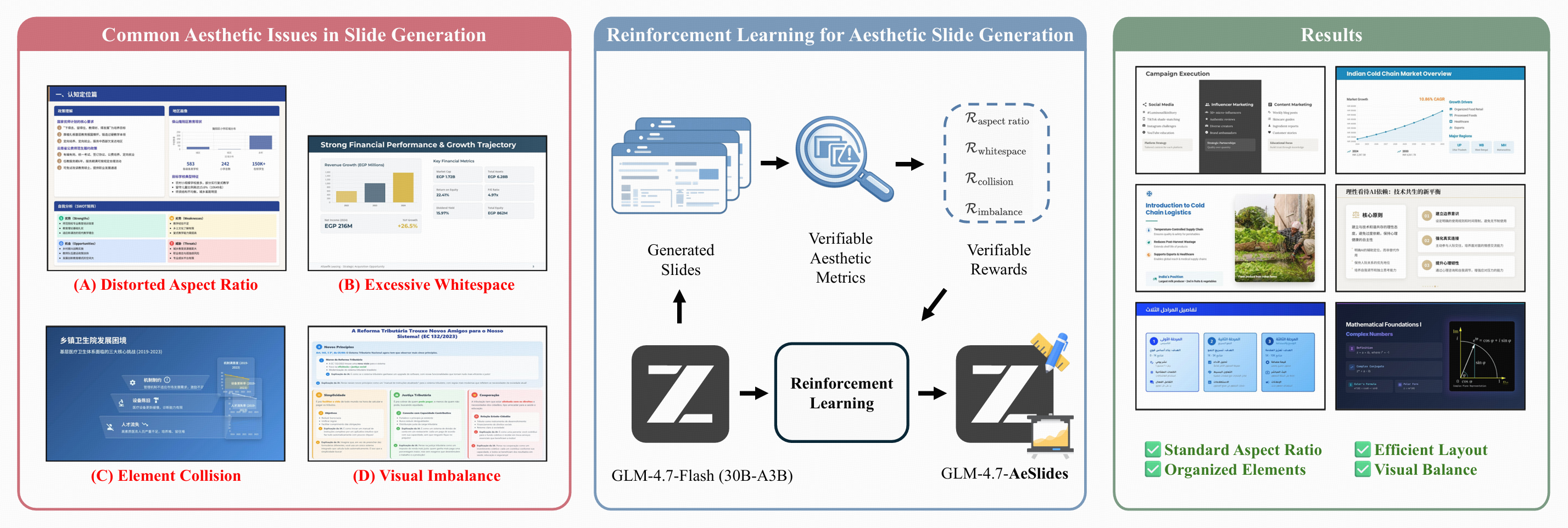
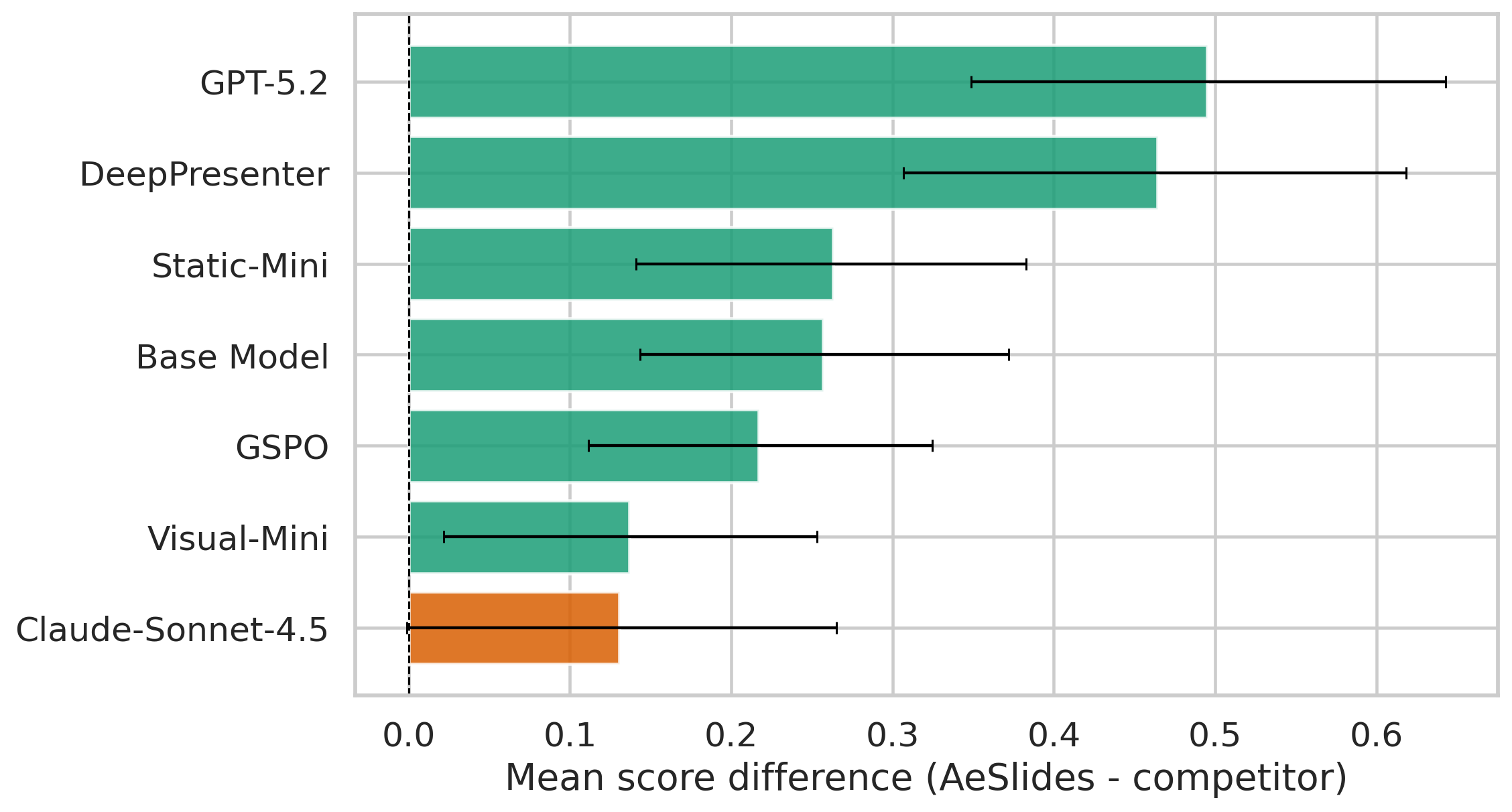
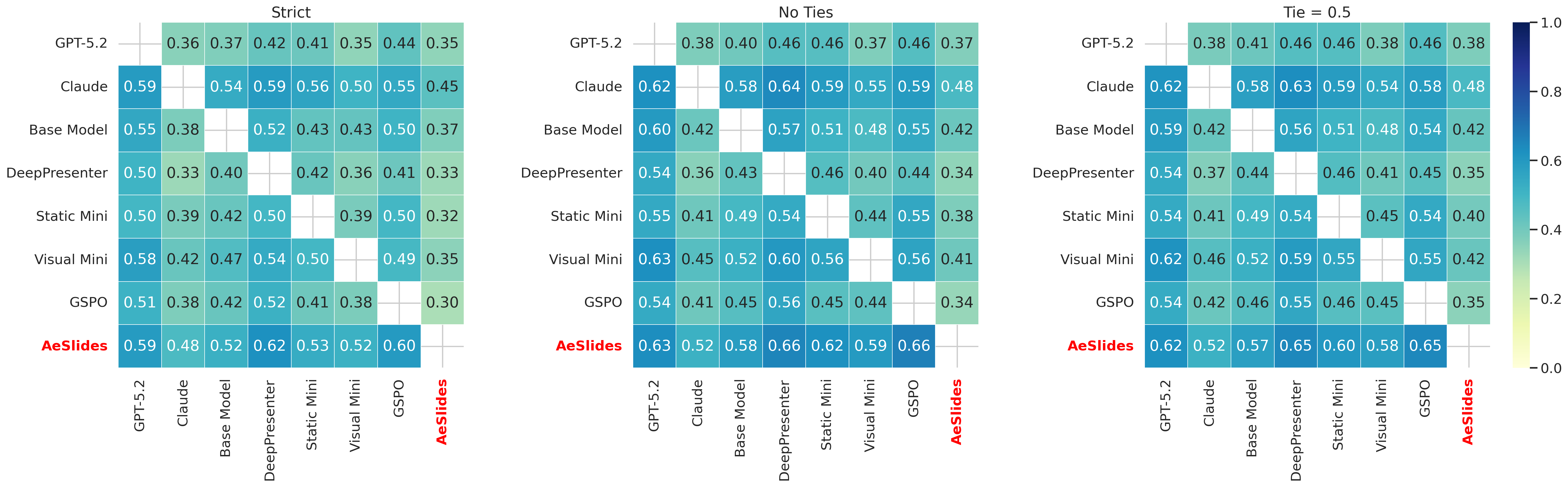
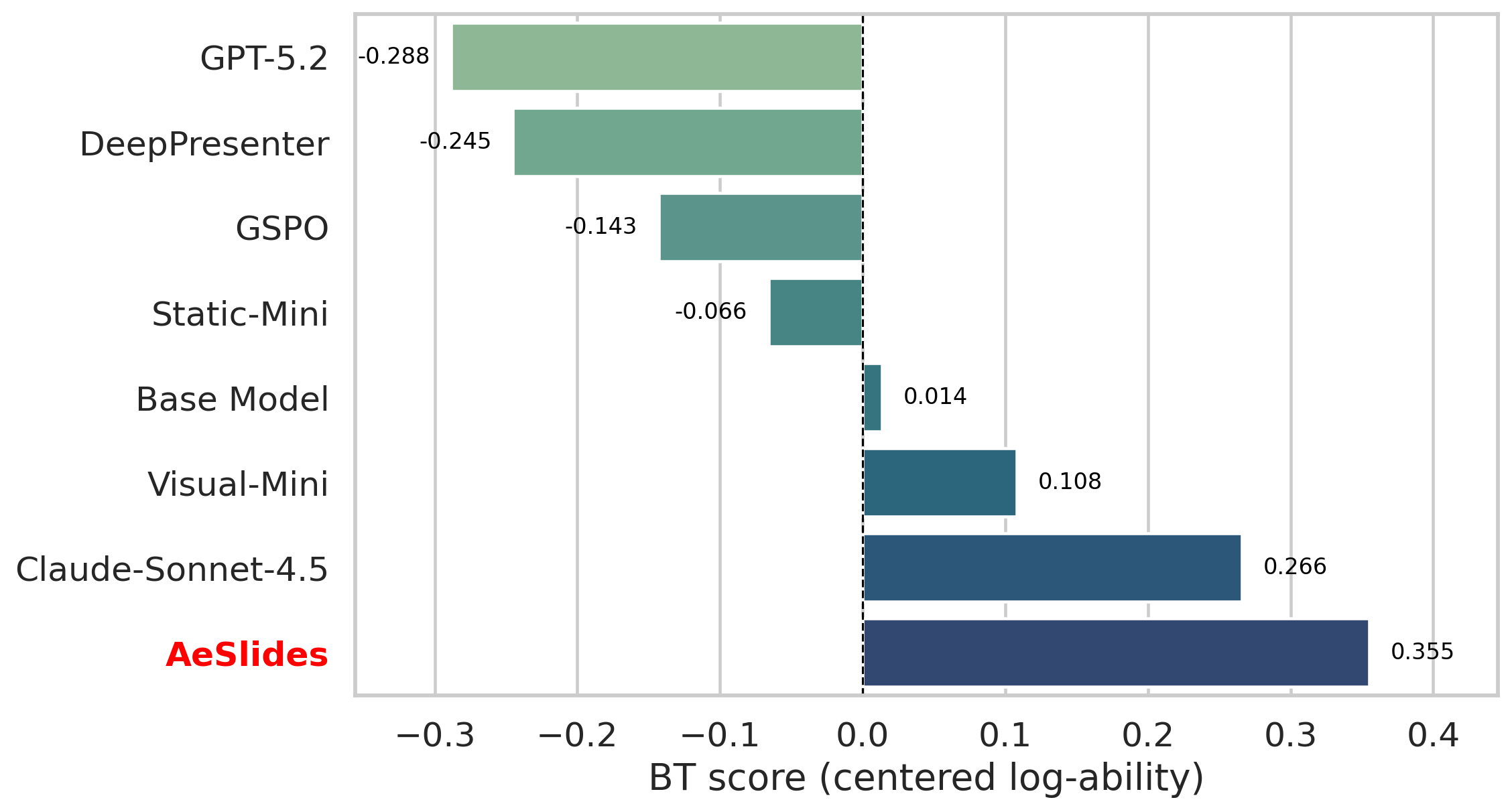
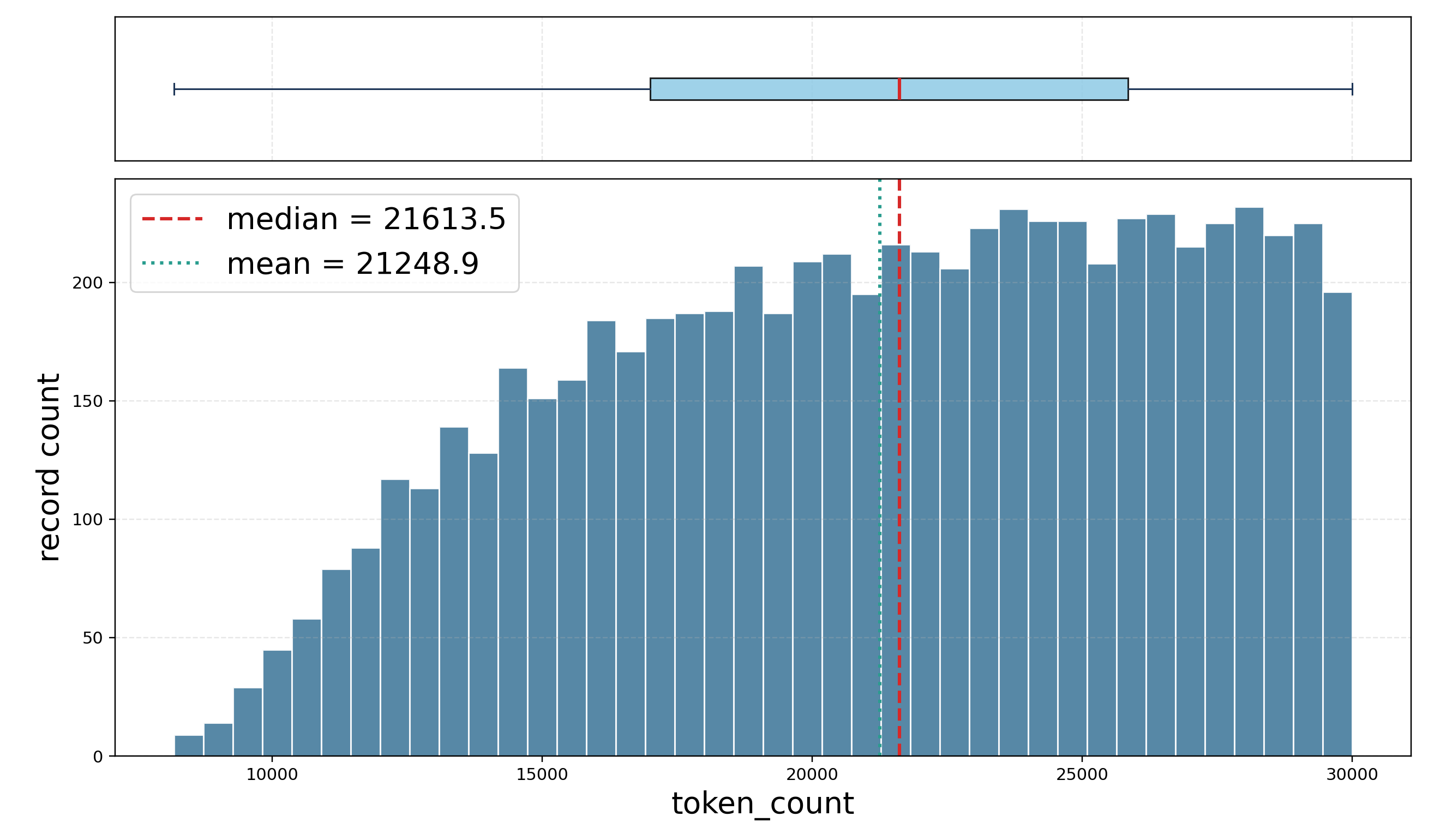
Large language models (LLMs) have demonstrated strong potential in agentic tasks, particularly in slide generation. However, slide generation poses a fundamental challenge: the generation process is text-centric, whereas its quality is governed by visual aesthetics. This modality gap leads current models to frequently produce slides with aesthetically suboptimal layouts. Existing solutions typically rely either on heavy visual reflection, which incurs high inference cost yet yields limited gains; or on fine-tuning with large-scale datasets, which still provides weak and indirect aesthetic supervision. In contrast, the explicit use of aesthetic principles as supervision remains unexplored. In this work, we present AeSlides, a reinforcement learning framework with verifiable rewards for aesthetic layout supervision in slide generation. We introduce a suite of meticulously designed verifiable metrics to quantify slide layout quality, capturing key layout issues in an accurate, efficient, and low-cost manner. Leveraging these verifiable metrics, we develop a GRPO-based reinforcement learning method that directly optimizes slide generation models for aesthetically coherent layouts. With only 5K training prompts on GLM-4.7-Flash, AeSlides improves aspect ratio compliance from 36% to 85%, while reducing whitespace by 44%, element collisions by 43%, and visual imbalance by 28%. Human evaluation further shows a substantial improvement in overall quality, increasing scores from 3.31 to 3.56 (+7.6%), outperforming both model-based reward optimization and reflection-based agentic approaches, and even edging out Claude-Sonnet-4.5. These results demonstrate that such a verifiable aesthetic paradigm provides an efficient and scalable approach to aligning slide generation with human aesthetic preferences.
Slide generators emit textual markup, while users judge the rendered visual layout. AeSlides treats this mismatch as the core bottleneck.
A rendering pipeline collects screenshots, DOM structure, bounding boxes, and page geometry before metric computation.
Four layout issues are measured directly: distorted aspect ratio, excessive whitespace, element collision, and visual imbalance.
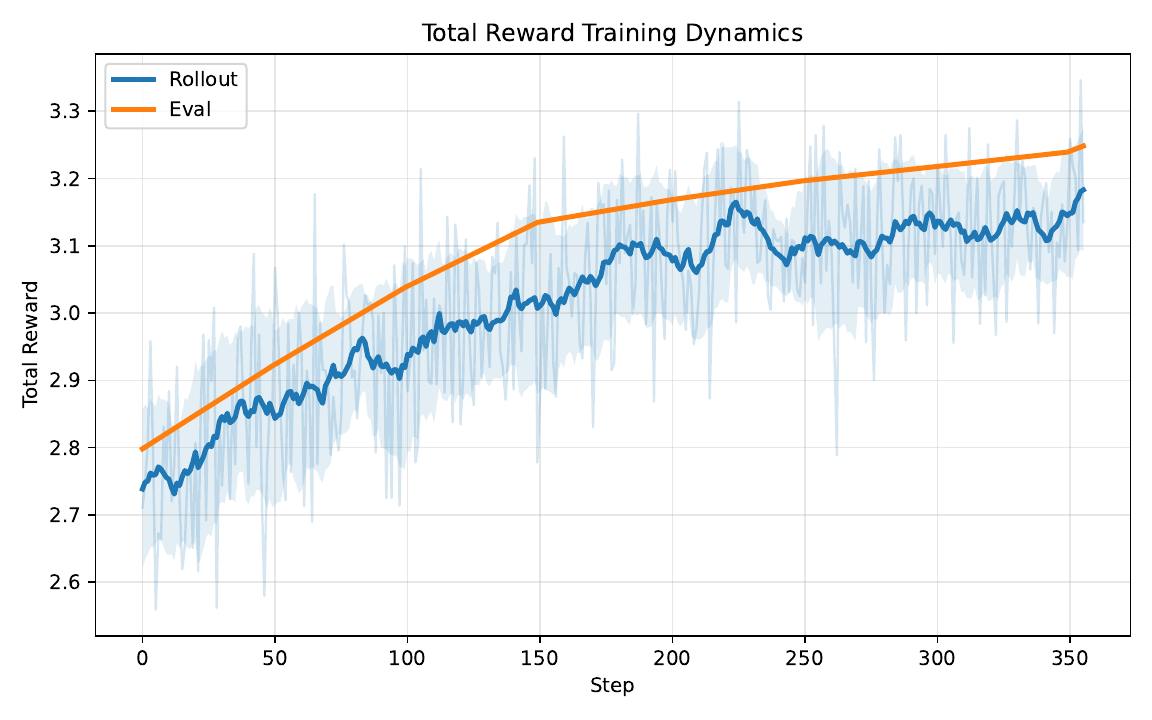
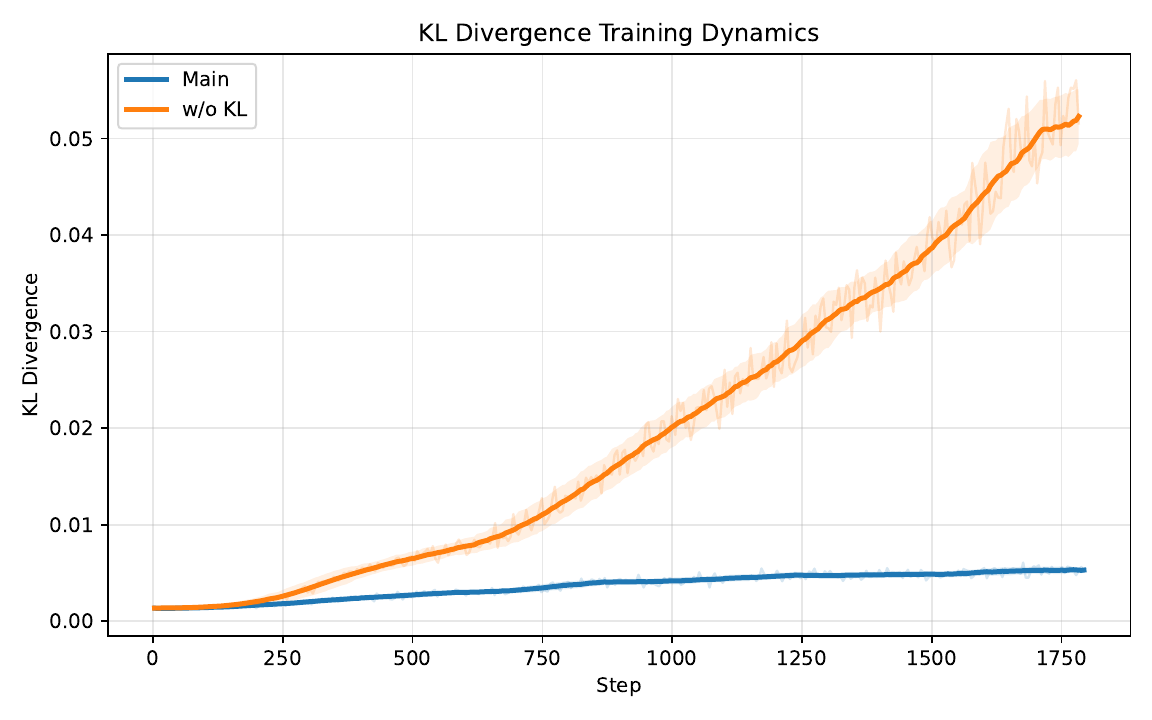
GRPO training uses shaped multi-objective rewards, reward-decoupled normalization, and KL regularization for stable aesthetic alignment.
AeSlides improves all four verifiable layout metrics and obtains the strongest human evaluation score among reported variants.
| Group | Model | Render Error low | A.R. 1% high | A.R. 5% high | E.W. low | E.C. low | V.I. low | GPT-5-mini high | GPT-5.2 high | Human high |
|---|
A.R.: aspect ratio compliance; E.W.: excessive whitespace; E.C.: element collision; V.I.: visual imbalance.
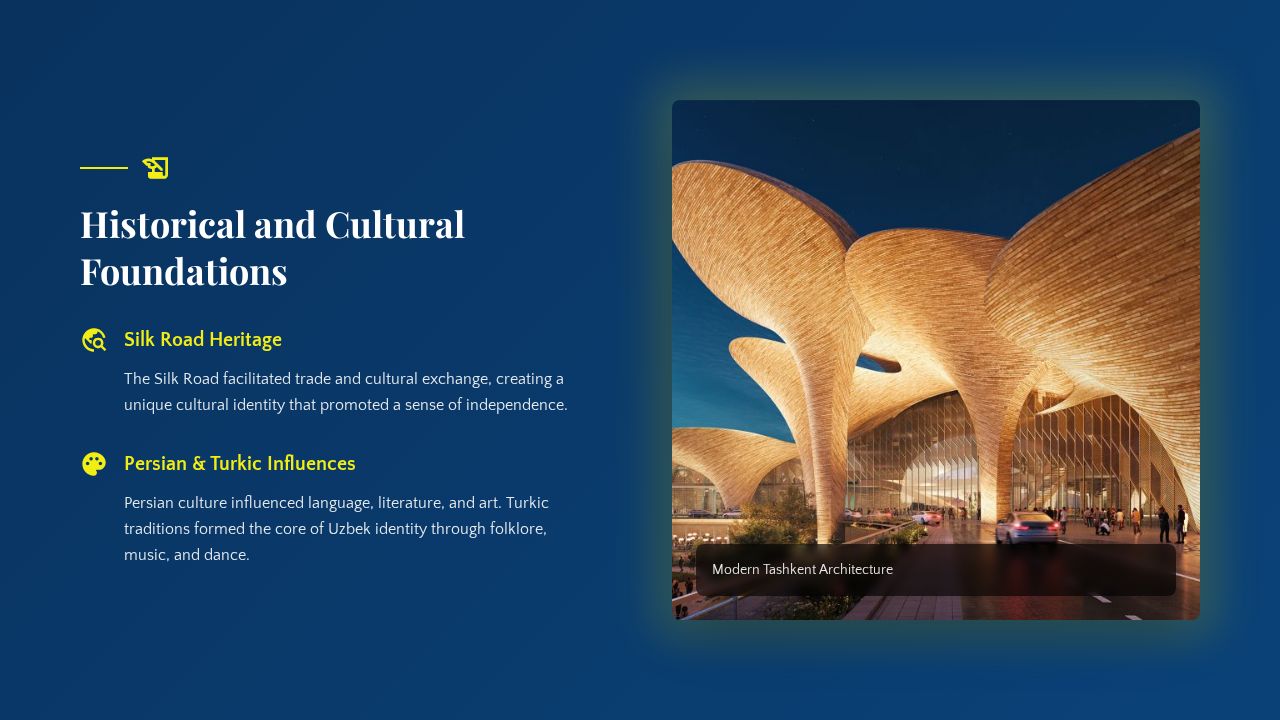
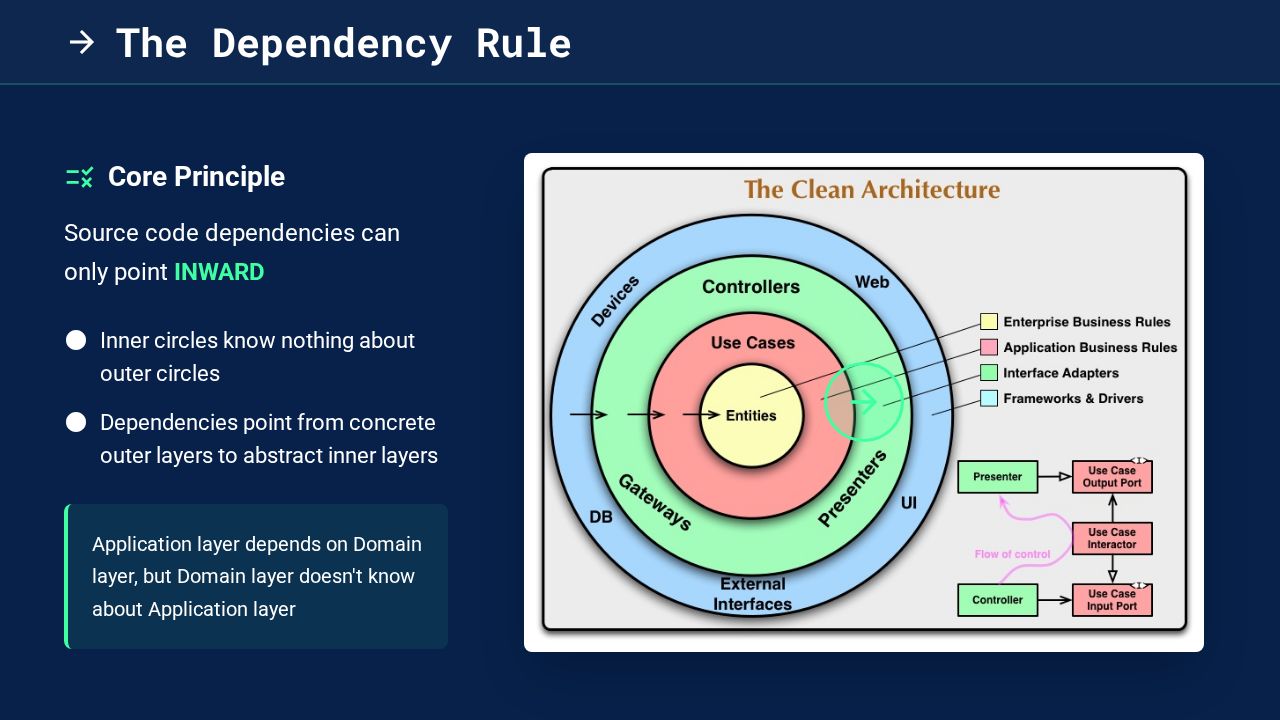
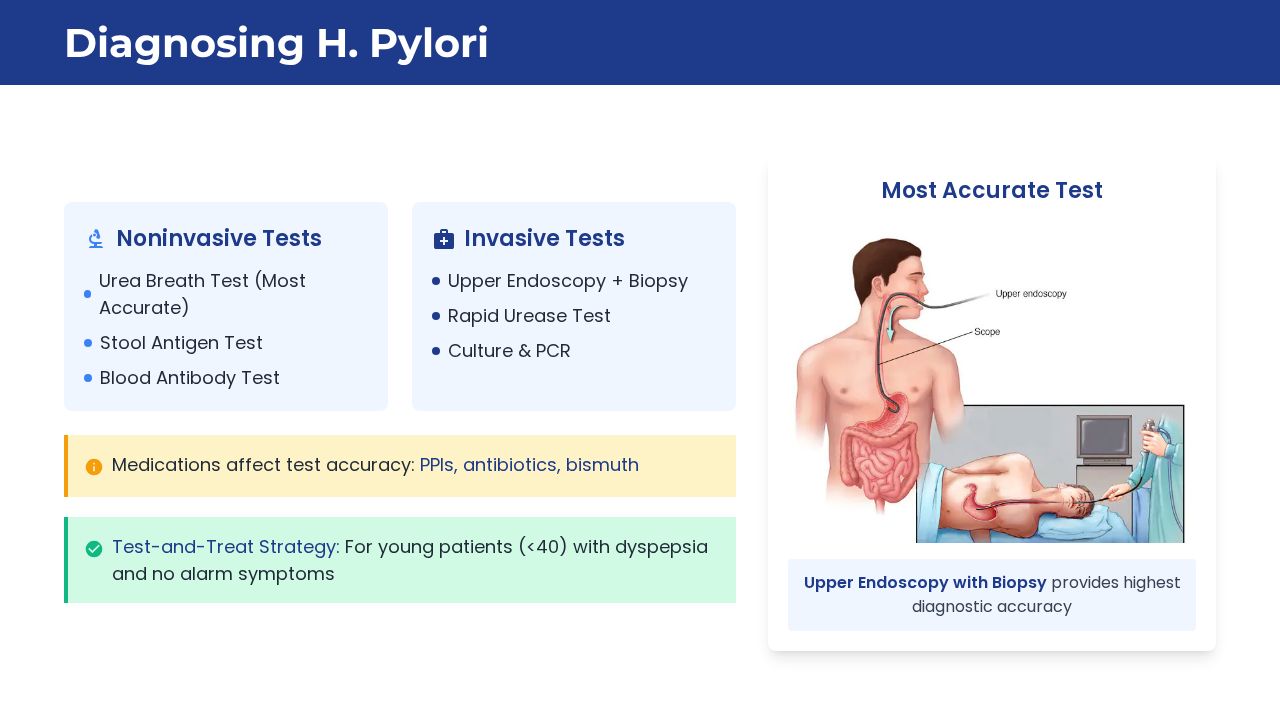
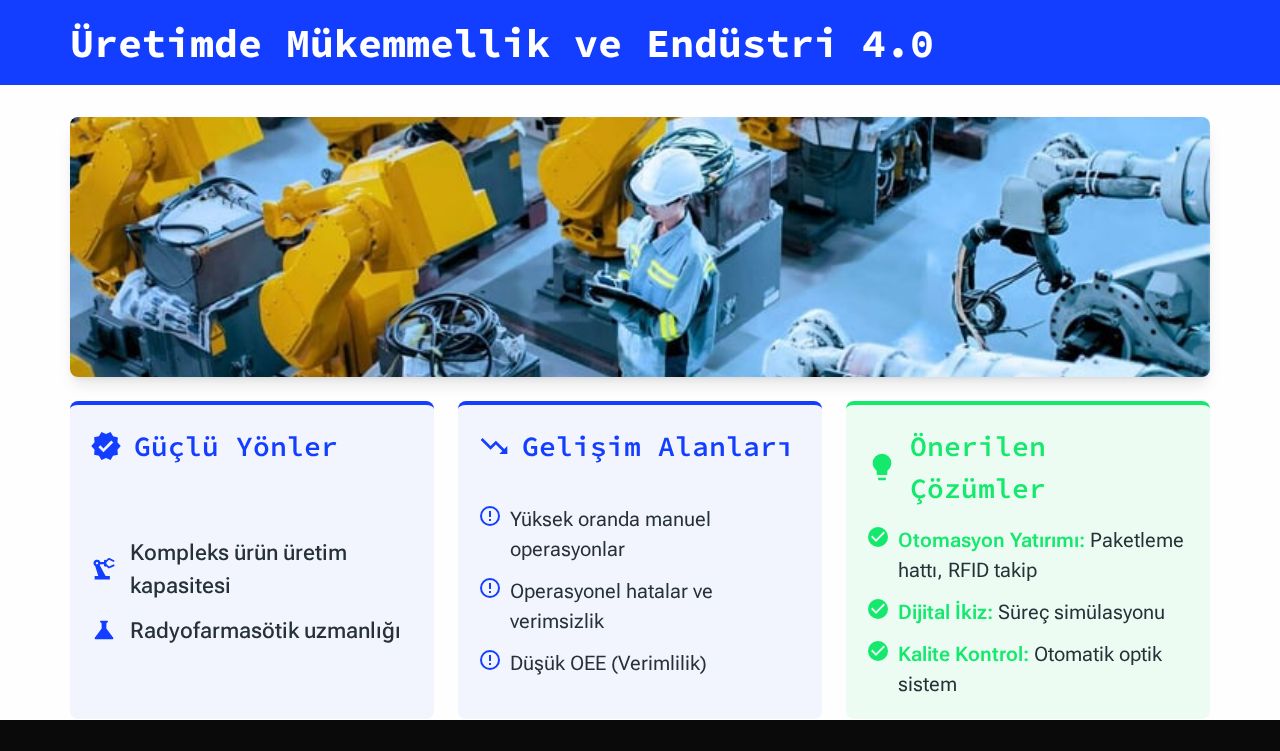
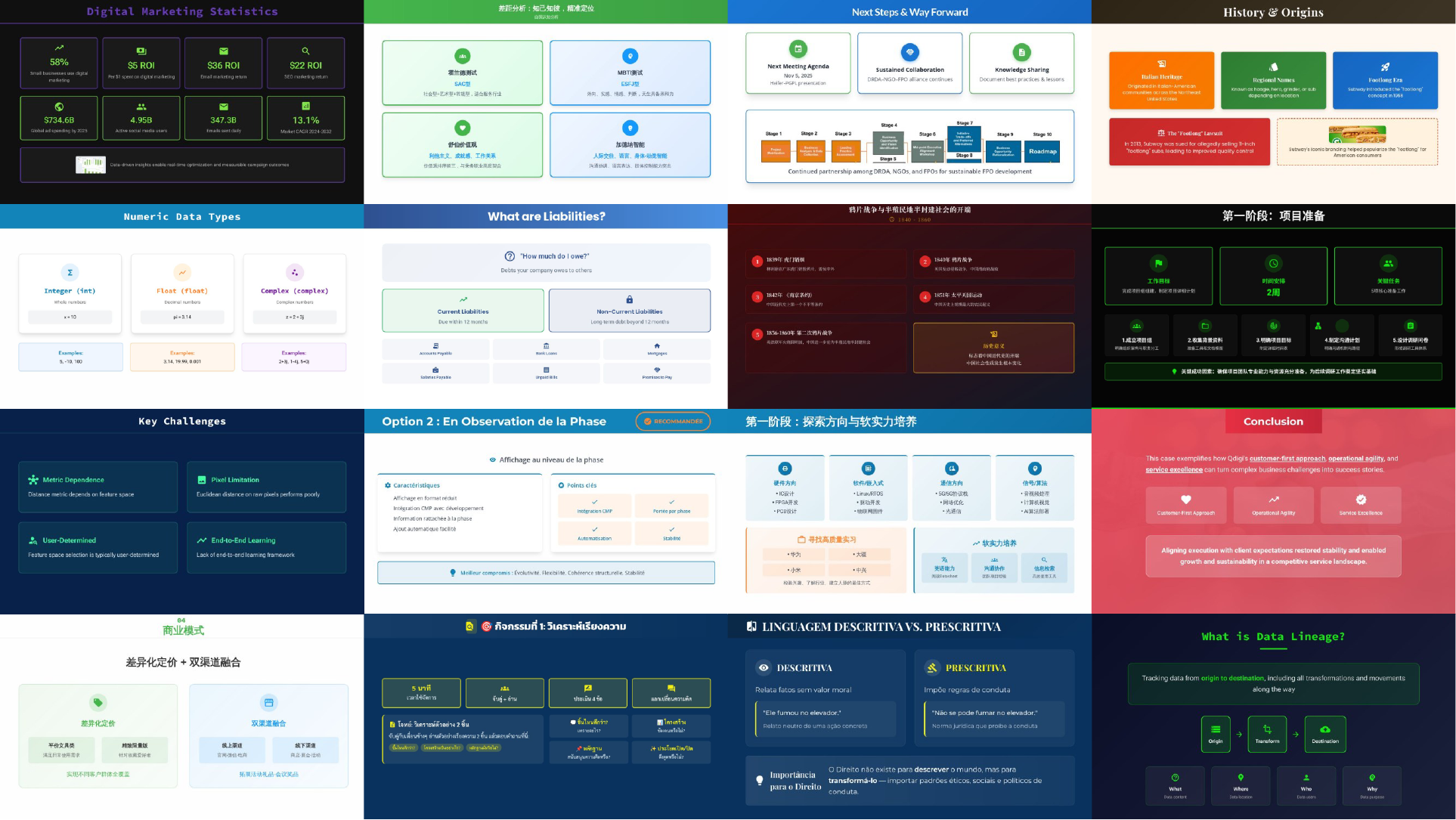
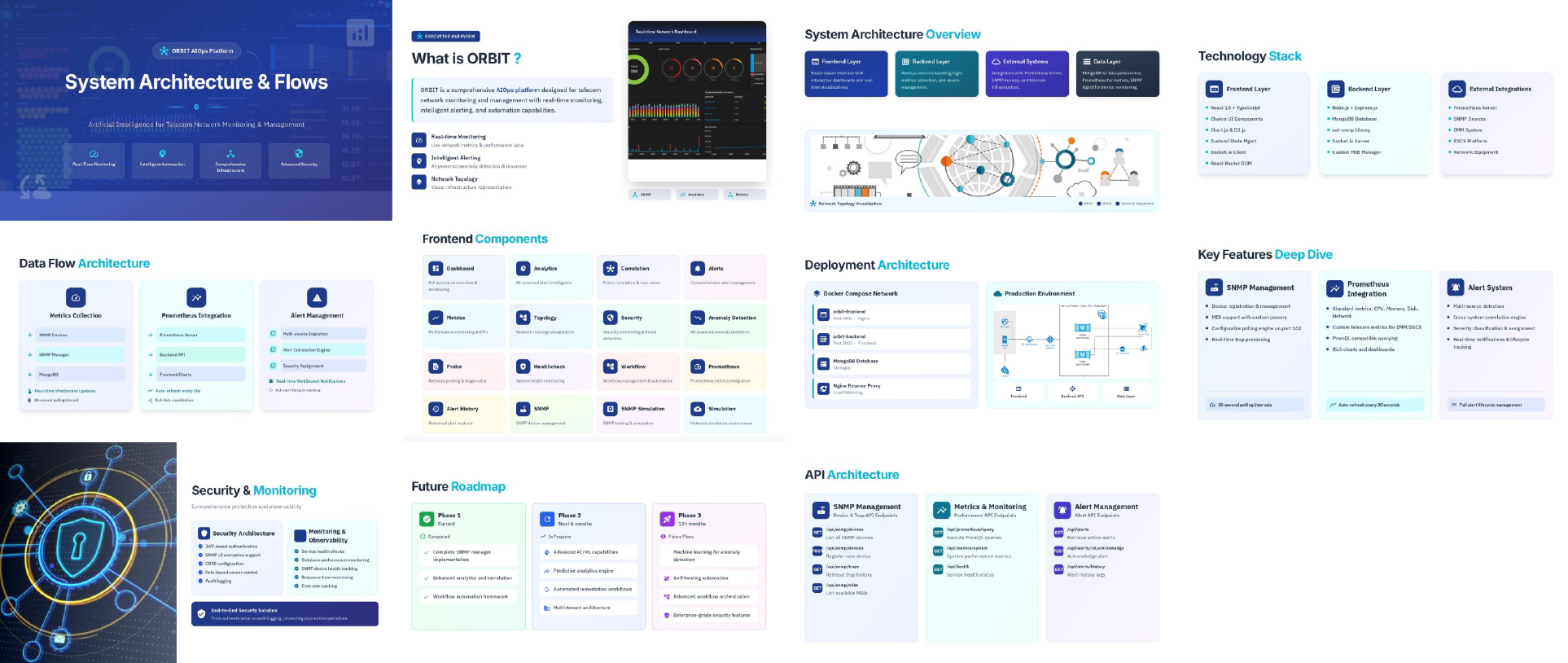
Representative page-level and deck-level generations from the released AeSlides examples.
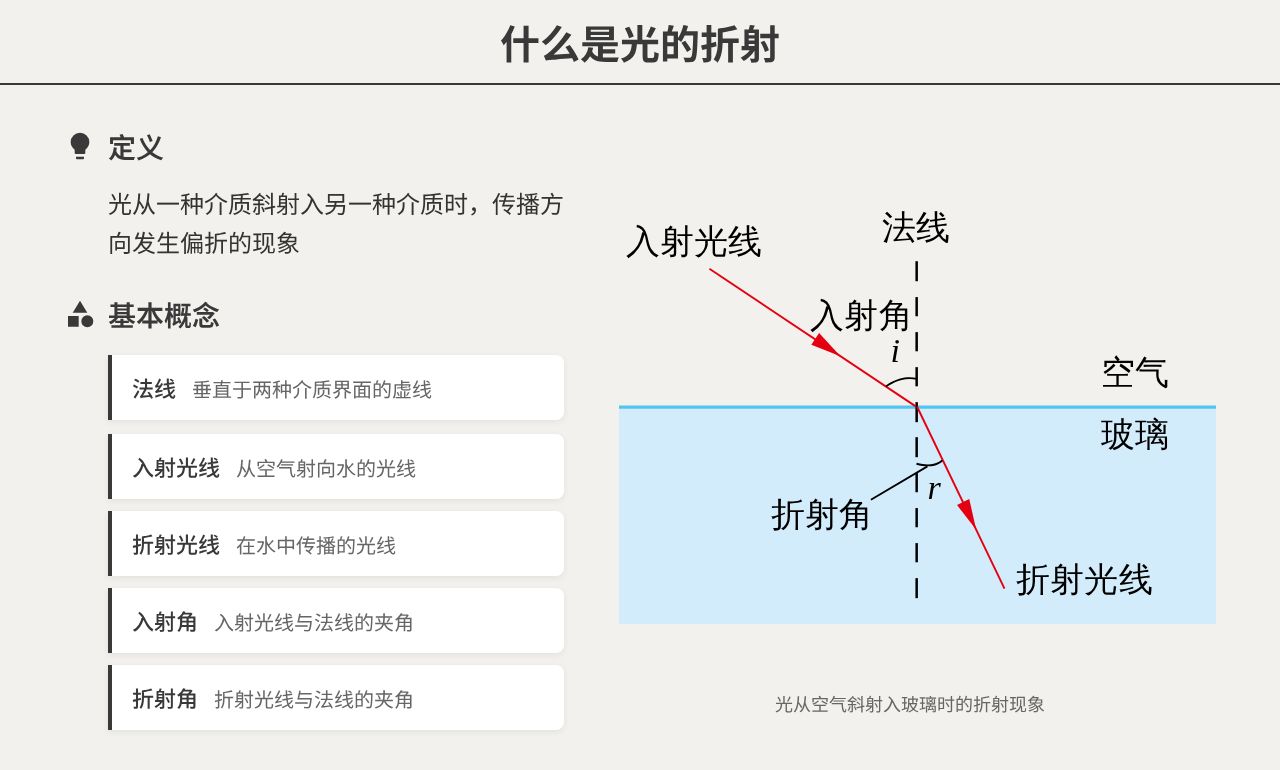


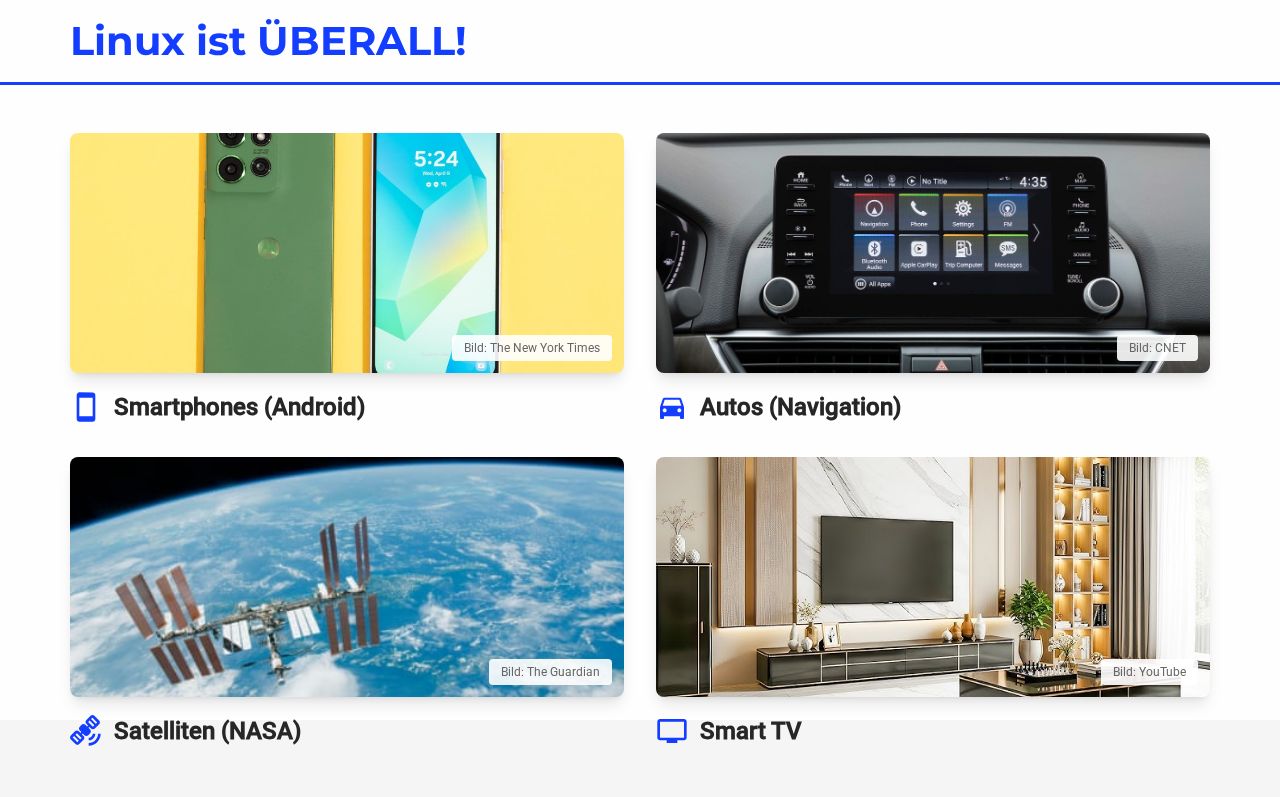











Chinese cultural and visual-art presentation with consistent ink-painting style.

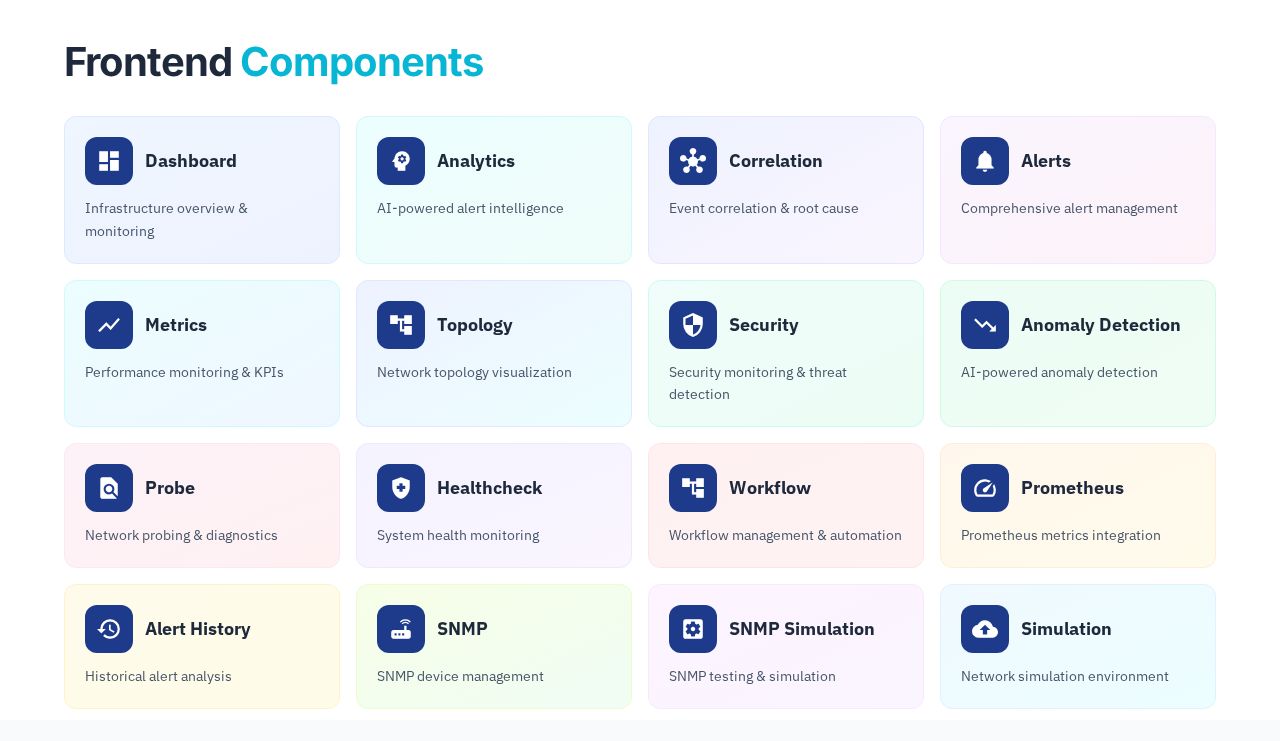

Product introduction deck with dashboards, diagrams, and system-overview slides.

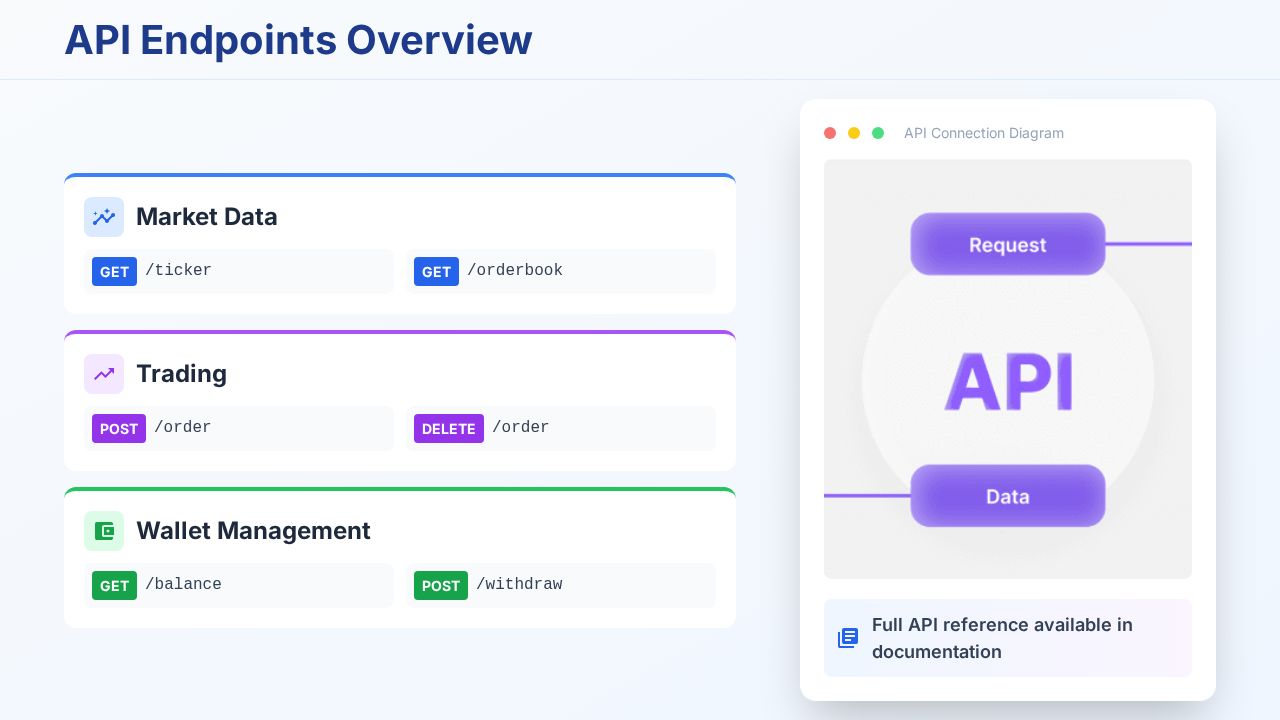

Developer-facing documentation slides with structured concepts and endpoint-style explanations.



Spanish-language narrative deck balancing imagery, timeline structure, and statistics.
The released checkpoint fine-tunes GLM-4.7-Flash with verifiable aesthetic rewards for slide layout generation.
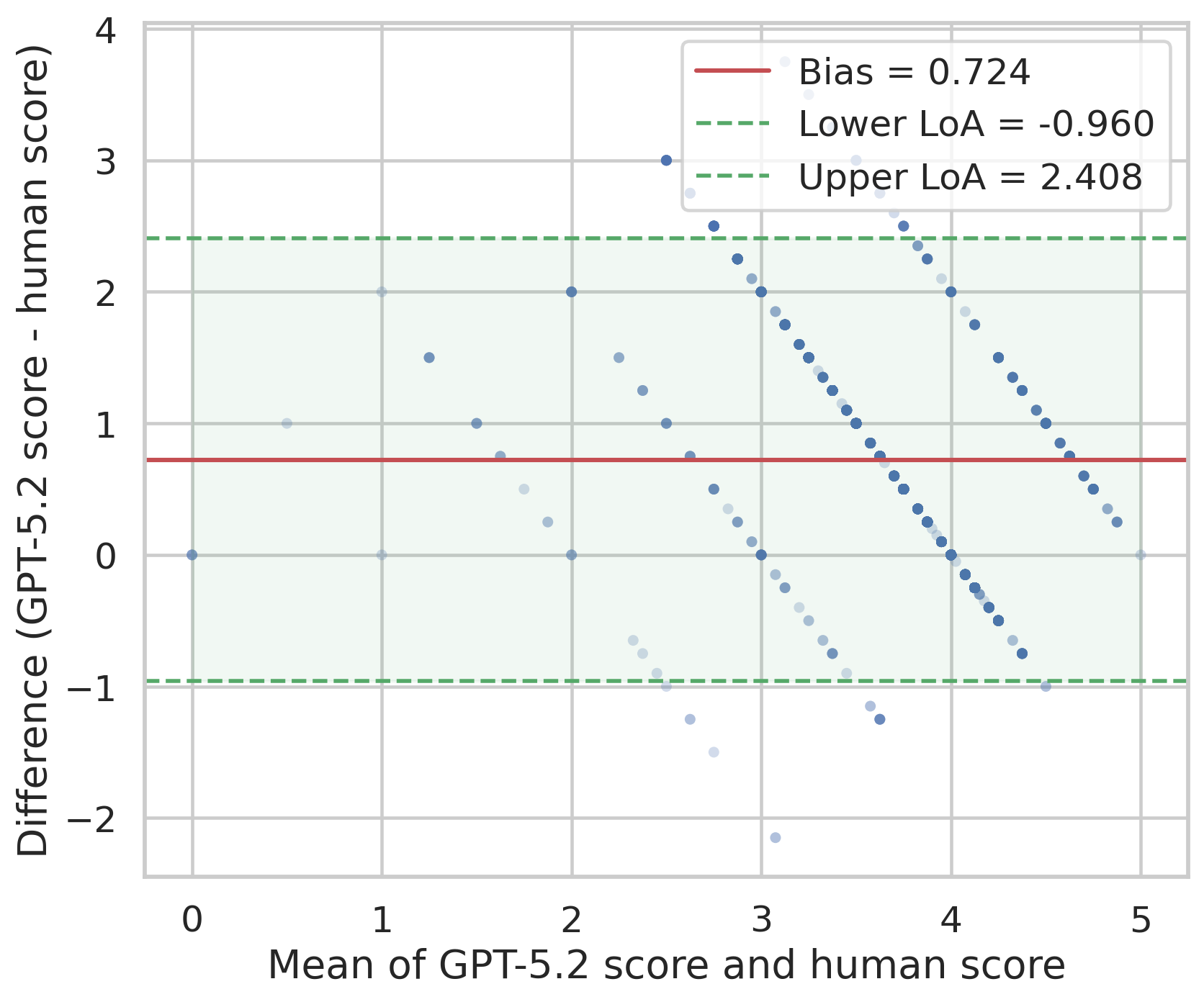
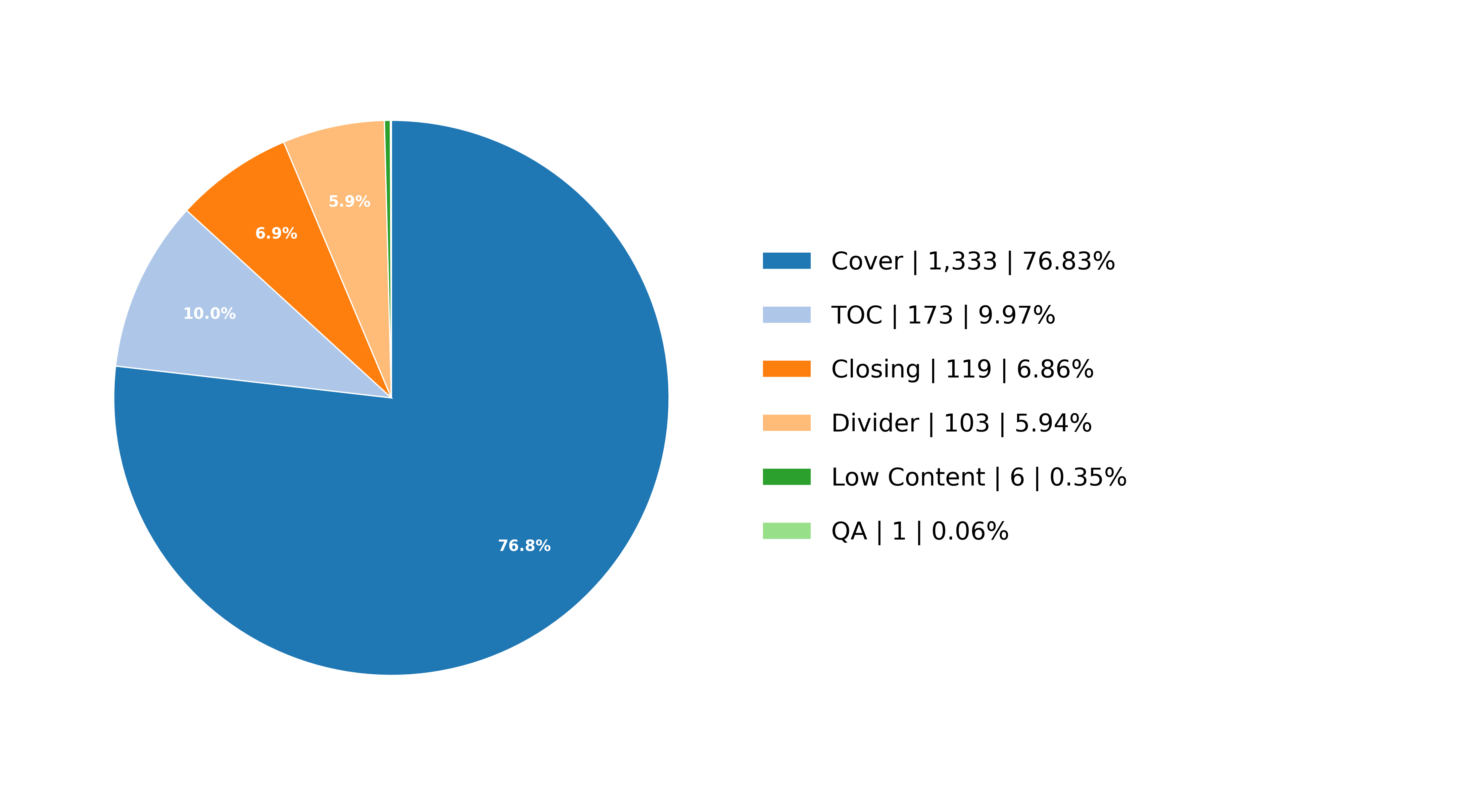
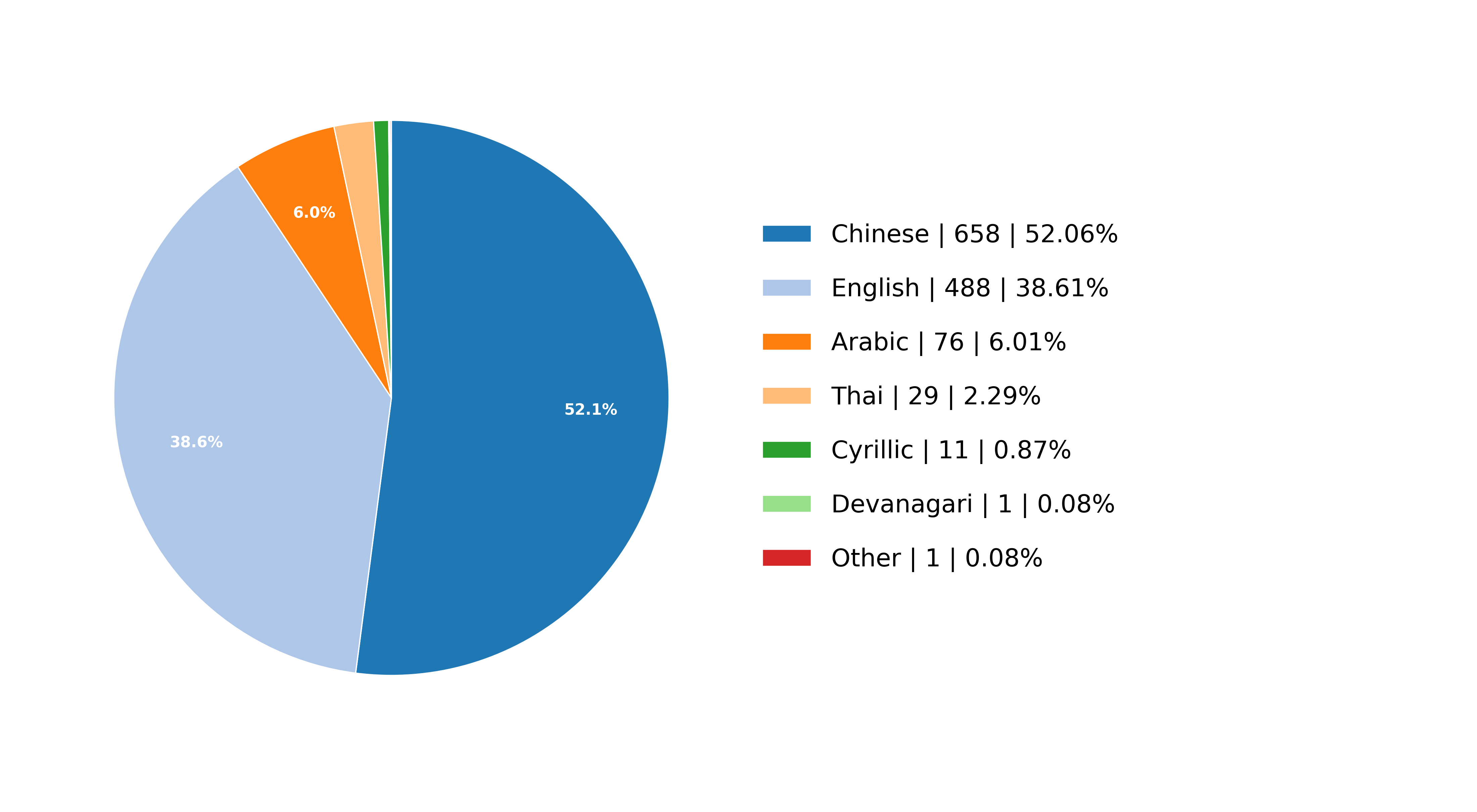
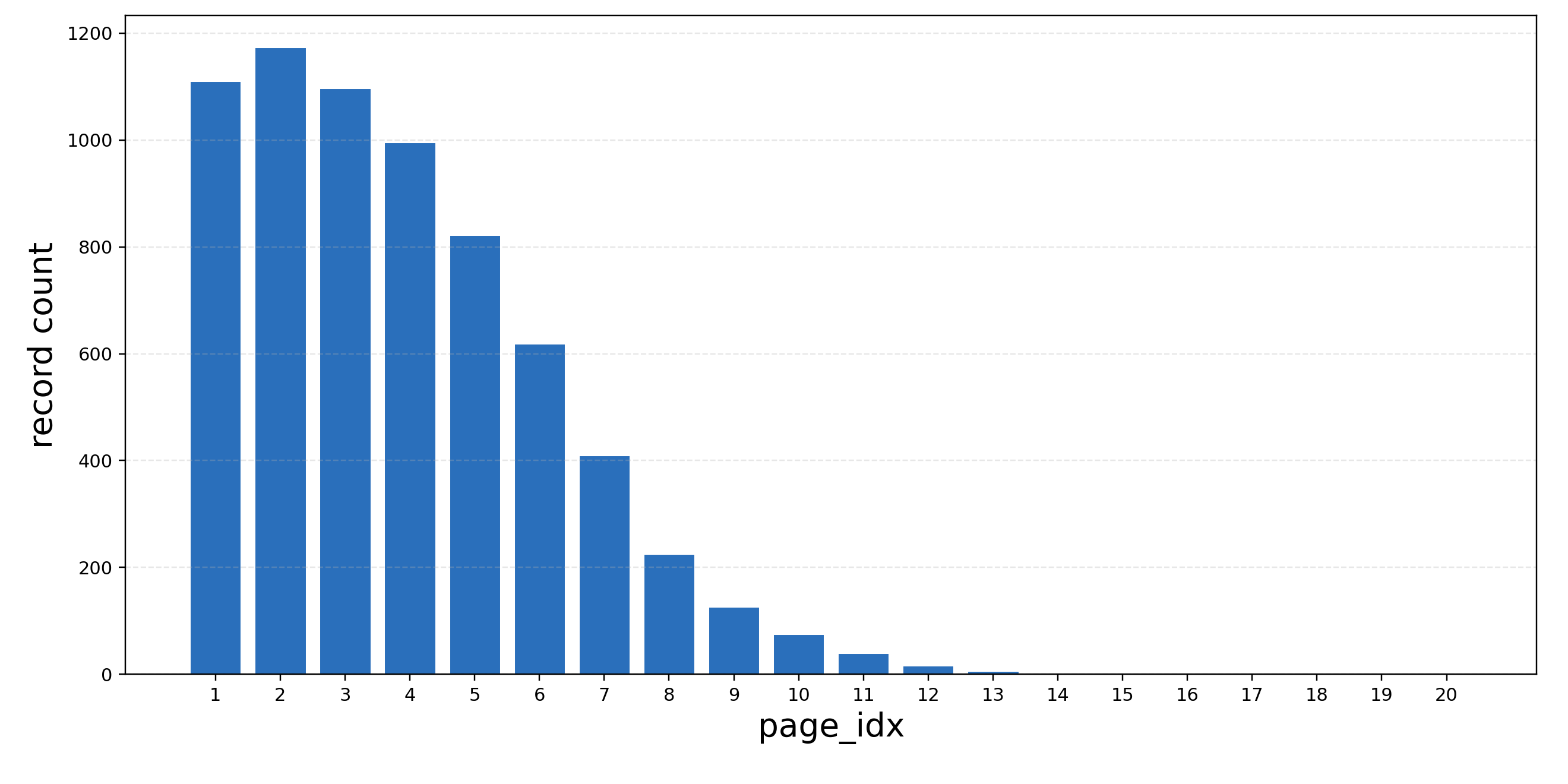
Meta-evaluation data for slide aesthetics, annotated to stress-test verifiable metrics and VLM-based detectors.
Standard GRPO normalizes the summed reward, which can let high-variance reward components dominate the advantage signal. AeSlides uses reward shaping and GDPO-style reward-decoupled normalization so aspect ratio, whitespace, collision, and visual imbalance each retain useful optimization signal.
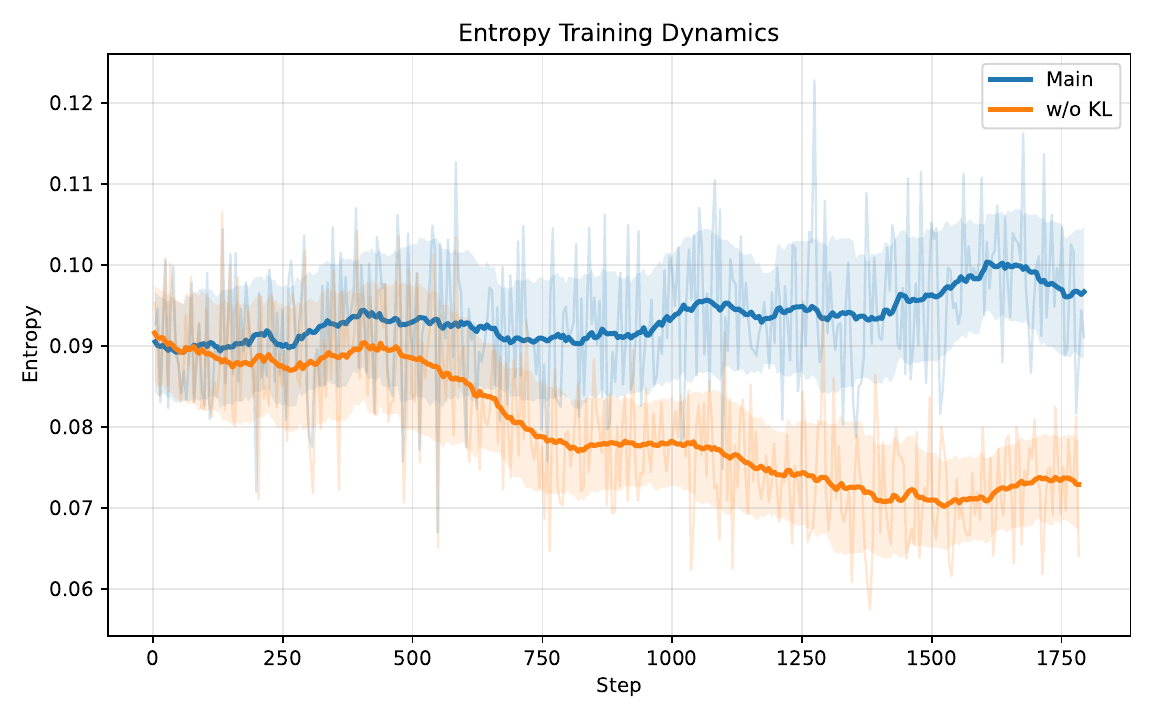
Removing KL divergence can inflate verifiable rewards while collapsing policy entropy. The resulting policy tends toward overly conservative design patterns, which looks good under narrow metrics but weakens slide diversity and human preference.


@article{pan2026aeslides,
  title={AeSlides: Incentivizing Aesthetic Layout in LLM-Based Slide Generation via Verifiable Rewards},
  author={Pan, Yiming and Hu, Chengwei and Huang, Xuancheng and Huang, Can and Zhao, Mingming and Bi, Yuean and Zhang, Xiaohan and Zeng, Aohan and Hu, Linmei},
  journal={arXiv preprint arXiv:2604.22840},
  year={2026},
  doi={10.48550/arXiv.2604.22840},
  url={https://arxiv.org/abs/2604.22840}
}